
by YouTime Coaching | Aug 26, 2016 | Children, college, Communication, high school, parenting, parents
August. The countdown begins. In a few short weeks or even days you will be able to retire from your position as family event planner. Your child is probably frantically trying to savor every last second of summer vacation (and what better time to binge watch Netflix than 2 am??) and tackle the unaccomplished tasks on their bucket lists. However, this time is critical to help them set themselves up for a successful transition into the new school year. Whether they are starting at a new school or returning to their current one, here are a few tips to help them ease into September.
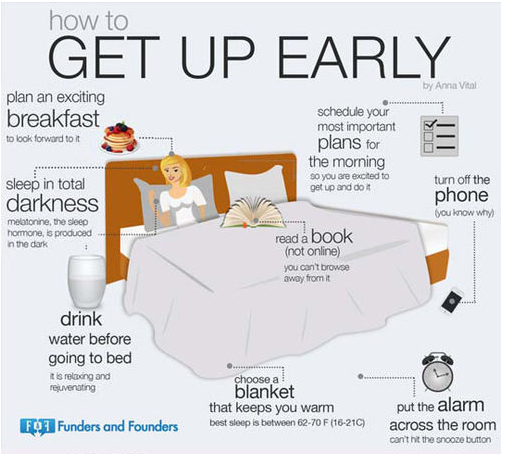
1. Set a Routine: Your child will need to reintroduce themselves to their alarm clock! This friendship takes a little time to rekindle! One to two weeks before the start of school, begin transitioning back to a more “normal” schedule and routine. Begin encouraging an earlier bedtime. Try backing bedtime up 15-30 minutes each night. This will help your child feel ready to wake at an earlier hour. Encourage some time for activities such as reading. This will help your child settle back into completing assignments and homework. Help your child reestablish these routines before the start of school. The less change they need to adapt to all at once, the smoother the transition will be.
2. Encourage Activity: Summer activities come in a lot of different forms. Some children remain active all summer, while others use the time to relax. If your child’s physical activity level has flatlined a little over the summer, encourage them to become more active. Exercise can help reduce stress levels while also helping children sleep better. This will help tire them out, which in turn should naturally lead to an earlier bedtime.
![Large group of people stretching together. [url=http://www.istockphoto.com/search/lightbox/9786738][img]http://dl.dropbox.com/u/40117171/group.jpg[/img][/url] [url=http://www.istockphoto.com/search/lightbox/9786766][img]http://dl.dropbox.com/u/40117171/sport.jpg[/img][/url]](https://youtimecoach.com/wp-content/uploads/2016/08/friends-exercising.jpg)
3. Model Confidence: Children are masters at reading adults. If you are anxious or stressed about the upcoming school year, this will show. If you feel it would be helpful, have a dialogue with your child about how they’re feeling about this upcoming year. Maybe they feel better about the year than you think. If your child is at the stage where it is “not cool” to do this, let them know that you are there for them if they ever have a problem or need to talk. Also, encourage your child to form a connection with a trusted adult at school. This will help you feel more assured that if a problem does arise, your child is getting the help they need.

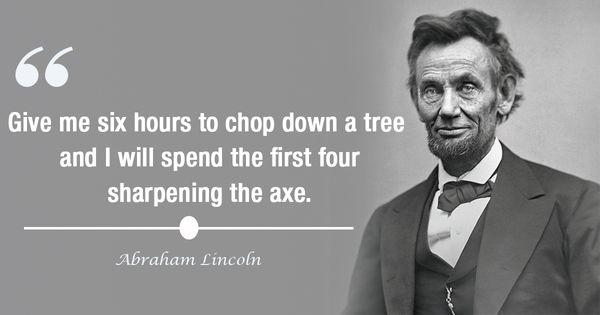
Abraham Lincoln said, “Give me six hours to chop down a tree and I will spend the first four sharpening the ax.” By more effectively using the end of the summer days and preparing for the transition ahead, your child will walk through the doors on that first day of school more mentally prepared to take on the school year!
by YouTime Coaching | Dec 1, 2015 | ActUP
Think of us as your Leadership Doctors.
We’re here to make sure your Company’s health is top notch, and that starts with a simple diagnosis.
Have you ever noticed the differences in how people lead? Think about it.
We’ve all had those leaders, whether that be in a sixth grade project or in our daily business lives, who we feel do a better job at leading us to success than any other bosses we may have had in the past. You’ve may have noticed this before, but have you really taken the time to sit down and think about what it is specifically that makes them so much better than all the others? Chances are, your affinity to that specific boss has to do a lot with what kind of leadership style they use.
While it’s true that you can never be sure that one leadership style will suit everyone (there are so many different kinds of people in this world after all), you can judge which would work more ef-fectively by considering your audience, what you plan to achieve, and your own personality as well.
So, the big question is, which leadership style suits you more?
[bctt tweet=”Does your leadership need a simple check up or a huge chill pill?”]
Use the questions below to diagnose your leadership style!
After you’re finished, let us know in the comments which style better fits you and we’ll be happy to write you a prescription for a new and improved way of doing business!
1.) Would you like to…
A. make decisions by yourself?
B. request that the team members make the decisions?
2.) Would you rather…
A. teach your team to expect direction?
B. teach your team to be self-reliant?
3.) You are…
A. afraid of losing control.
B. sure that giving up control leads to the best outcomes.
4.) Do you
A. focus on finding and fixing problems?
B. focus on achieving performance outcomes?
5. Are you more likely to…
A. be quick to punish for mistakes?
B. help your team learn from their errors?
6. You will…
A. use rules to make decisions.
B. use principles to make decisions.
Mostly A’s: Reactive Leader
Reactive leadership often happens naturally in work environments as a way to “put out fires” on the spot. However, with this leadership style comes increased stress in the workplace, de-greased productivity, disorder and a negative way of thinking. No one likes seeing their leader scramble to come up with solutions once they have presented themselves. Instead, be proactive about anticipating these areas of opportunity before they become a much larger problem.
Mostly B’s: Pro-active Leader
A proactive leader does a wonderful job at creating a stress free environment by anticipating possible ways to advance the company before a problem occurs with an area of issue. You don’t try to solve problems on the spot but instead react to the problem before the situation even oc-curs. You adapt to change faster which makes you a stronger team and business overall.
The truth is, there is a time and place for each leadership style. However, don’t be afraid to flex your Proactive leadership muscles just because you are afraid that you’ll constantly have to save the day. You’d be amazed at how much work gets done and how many amazing ideas are turned into realities when you work proactively!
[bctt tweet=”An apple a day may keep the doctor away, but a Proactive mindset keeps the spirits high & business booming!”]
Your prescription?
A look into the Proactive lifestyle with us! We’d love to help you get more in tune with the proactive leadership styles and how to use these skills to increase productivity, and have a better work environment overall.
So, which leadership style do you want to drive your workplace?
by YouTime Coaching | Oct 28, 2015 | ActUP
We find it interesting to hear people discussing the mindsets that they adopt when in a business situation. After all, when you’re going into a meeting with a new client or perhaps a difficult business transaction, your mindset can really make all the difference. So, what kind of mindsets are there? You hear people talk about “mind over matter” and the importance of choosing the correct mindset, right? That’s all great but, honestly, how do we chose what mindset we will adopt if we don’t first understand not only what mindsets are available to us, but also how they are reflected in our work? You may be thinking, what benefits are there to this? That’s where we come in!
Have you heard the terms, “Growth Mindset” and “Fixed Mindset”? Okay, we know they were in the title of this blog, but seriously, had you heard of them previous to this post? We are actually pretty surprised to know that many people aren’t aware of the difference between the two. In case you are wondering (we know you’re on the edge of your seat), a growth mindset is really the one you want to shoot for. We have listed the definitions below so that you can take a look!
Growth Mindset: “Thrives on challenge and sees failure not as evidence of un-intelligence but as a heartening springboard for growth and for stretching our existing abilities.”
Fixed Mindset: “Assumes that our character, intelligence, and creative ability are static givens which we can’t change in any meaningful way.”
Thank you to Brain Pickings for these wonderful definitions! They have even more wonderful information available on their website.
It probably seems obvious why the growth mindset is more along the lines of what we consider to be the optimal mindset (especially in the business world). After all, failure is a part of what helps us learn and become the best we can possibly be. If you take a look at the great names in history, a great majority of them overcame several difficult obstacles and achieved great success due to what they learned from their “failures”. Let’s be honest thought, if our failures eventually help us succeed, they aren’t really failures at all. This is the idea around a growth mindset.
There are several wonderful illustrations out there that cover the differences between these two mindsets in a clear and helpful way. Below are some of our favorites!

Thanks to Brain Pickings for providing a great illustration! We’re big fans!
If you’re not totally convinced yet, take a look at the below benefits from adopting the growth mindset. Give this a try and let us know on social media which of the benefits you’re seeing in your own life!
Benefits from adopting the growth mindset:
- You’ll start to enjoy your life even more than usual (even if you’re not good at everything)
- Improved self esteem
- Improve your relationships
- Never feel stupid when learning something new
- Never stress about being perfect
- Be a more confident person
- A lowered risk of depression
- Less stress overall
- Improve your company and attract positive people
So, what’s the bottom line? Overall, if you’re looking hone your abilities and learn what works and what doesn’t, you’re on your way to success. When it comes to the business world, cultivating your abilities and accepting that becoming a master of your trade takes time will lead you down the path of success.
“The growth mindset is based on the belief that your basic qualities are things you can cultivate through your efforts. Although people may differ in every which way — in their initial talents and aptitudes, interests, or temperaments — everyone can change and grow through application and experience.”
If you ask us, this is not only a wonderful definition but also an inspiring and motivational way to look at your life and business efforts. After all, doesn’t working for your dreams make the final product so much sweeter? If you ask us, we’ll say “Heck yes” every time! Well, we may vary our answer sometimes but you can bet we’ll always tell you to open yourself and your mind up to the growth mindset!
Do people with this mindset believe that anyone can be anything? Do they think with this way of thinking you’ll no doubt become a famous and renowned genius? That’s a simple answer: no. However, they do believe that a person’s true potential is unknown (and will stay that way until you’ve reached it). When it comes down to it, it is impossible to foresee what can be accomplished with years of passion,hard work and the drive to learn even more each day of your life.
Finally, we’ll leave you with this illustration from “carriekepple.com” that we feel is the perfect reminder for you to print out and keep near your desk. When you wake up each morning and start your day, take a glance at this illustration and remind yourself that the possibilities are endless!

What changes do you think you’ll see by adopting this mindset?
by YouTime Coaching | Sep 29, 2015 | ActUP
Maybe you’ve heard your coworkers or loved ones talk about “mindfulness in the workplace” and maybe you’re new to the whole concept entirely. Either way, you’re here for a reason and we’re glad to have you. The concept of mindfulness is something that many businesses have begun adopting and implementing into their day to day operations. From the new intern in the office to the most seasoned executive, everyone can benefit from taking a little time each day to focus on entering into a mindful state.
We have found, however, that not everyone clearly understands what being mindful really means. Don’t worry, we’ve googled the term and listed the definition below just for you!
Mindfulness- a mental state achieved by focusing one’s awareness on the present moment, while calmly acknowledging and accepting one’s feelings, thoughts, and bodily sensations, used as a therapeutic technique.
Doesn’t than sounds appealing? Imagine taking on the world around you an empowering yourself to be a better (and calmer) worker. The truth is, mindfulness isn’t necessarily a difficult thing to achiever either. By honing your mindfulness abilities, whether that is through a technique such as meditation or any other tactic you choose, you become much more confident in your abilities and focused on the task at hand.
So, other than other than a overall sense of calm, what can mindfulness do for you? I think you’ll be impressed to know that it can make some serious changes to not only your mental state but also your physical well being. For instance, according to personneltoday.com, studies have shown that scientists have seen a clear increase of activity in the brain which I think we can all agree sounds like the perfect solution for Business owners and/or managers who are looking to increase productivity and work performance. After all, more brain activity equals more results.
Scientists have also discovered that practicing mindfulness has aided in the efforts of individuals who suffer from Diabetes, eating disorders and other various phobias. There is also a strong correlation between mindfulness and the reduction of general anxiety within a person and insomnia. As you can see, choosing mindfulness helps you do more than become a better employee or business owner, it also shifts a good bit of your physical and mental health into a better position overall. Practicing this will open many doors to you in your personal and work life. If you take even just one step to becoming more of a mindful person, your boss, colleagues and loved ones are bound to see the difference! Not to mention, you’ll feel like a brand new person who is ready to take on anything that comes your way. If you ask us, this is never a bad thing to be feeling during an important meeting or business call. The more you work on mindfulness techniques, the stronger your brain gets and the better you feel.
In short, there are a lot of benefits to practicing mindfulness that you should really take advantage of. At the very least, your attention will go where it is supposed to stay and you’ll feel a sense of calm during your day to day activities (something that most of us could use more of). When it comes down to it, mindfulness makes you a better and more efficient worker and soon everyone around you will be noticing that this is the case. Most importantly, you’ll be empowering yourself as an individual and aiding your Company by spending your time and efforts wisely and efficiently. So, the benefits of mindfulness are physical and mental, but also move you down the path to a brighter future. Doesn’t that seem worth giving it a go? I think you know our answer.
Do you think mindfulness practices have a place in the workplace?
We’re curious to hear your thoughts on this and discuss with you some of the techniques that we use ourselves. For now, have a mindful week and remember to check back in with us for more blogs in the future.

by YouTime Coaching | May 27, 2015 | Uncategorized
Even though the school year for many people is coming to a close, summer school is right around the corner! Yea, sorry for having to go mentioning that.
The motivation to do well in class while your mind is at the beach can put you in a position where a tutor could help for many reasons and hopefully prevent that, oh so familiar, struggle and stress.
In this blog I introduce you to Jay.
Jay is the CEO of Signet Education, a company of world class tutors, coaches, and consultants found in Cambridge, Massachusetts and New York City. He graduated from Harvard in 2005, and has taken a broad academic path that spans the sciences and humanities. Jay was also a semi-professional jazz musician (trumpet) before starting Signet Education.
Follow Jay as he illustrates 4 signs
that mean you may need a tutor.
“I have an exam in two days, and I am completely lost.
I need to find somebody to help me learn the material quick!”
Most students will experience this at some point in their education, and it can be hard to recognize you need help before it’s too late. If you are at this point, a tutor can help, but not nearly as much as if you had found one earlier.
To help avoid this situation, here are four warning signs that might help you recognize that it’s time to find a tutor:
1. “I’ve done everything I can, but nothing is working.”
![]() Sometimes you put all of your time and energy into a subject, but your efforts just don’t seem to pay off. Maybe you don’t understand a fundamental concept, or maybe you need to rethink your study approach. A tutor can help you understand difficult concepts so you don’t fall behind before exam time. They can also help you refine your study technique so you’re better prepared for next time. Consider contacting a tutor several weeks before an exam so you can nail down key concepts before it’s too late. The expert perspective of your tutor can help you see your way forward quickly and effectively.
Sometimes you put all of your time and energy into a subject, but your efforts just don’t seem to pay off. Maybe you don’t understand a fundamental concept, or maybe you need to rethink your study approach. A tutor can help you understand difficult concepts so you don’t fall behind before exam time. They can also help you refine your study technique so you’re better prepared for next time. Consider contacting a tutor several weeks before an exam so you can nail down key concepts before it’s too late. The expert perspective of your tutor can help you see your way forward quickly and effectively.
2. “Things were going so well, but now I’m struggling.”
If you were previously succeeding, but have recently seen a decline in grades or understanding, an expert tutor can help you figure out where you fell off track. Whether the drop off occurred within a single semester, or in transition to middle school, high school, college, or graduate school, a tutor can quickly assess your needs and help you move forward with confidence.
3. “I couldn’t care less about this subject.”
 If this sounds like you, watch out! A dislike for the subject coupled with a challenging course load can lead to procrastination and poor performance. If you have a test or class you just can’t seem to get excited about, a dynamic tutor can help make it more exciting, or at least help you stay on track and get through the material more quickly.
4. “I’m bad at __________.”
![]() With some patient, focused tutoring, you can remedy this all-too-common scenario. It is not unusual for to a student to go from being “bad at chemistry” to wanting to major in chemistry, all because of an inspiring and effective tutor. A tutor can quickly diagnose where you need help and give you clear strategies for overcoming your obstacles.
With some patient, focused tutoring, you can remedy this all-too-common scenario. It is not unusual for to a student to go from being “bad at chemistry” to wanting to major in chemistry, all because of an inspiring and effective tutor. A tutor can quickly diagnose where you need help and give you clear strategies for overcoming your obstacles.
If you are encountering any of these issues, consider getting a tutor before it’s too late. In many cases, catching the issue early means just a few tutoring sessions will get you back on track. If you find yourself struggling, it’s never too early to contact a tutor! Some focused tutoring might save you days of frustration and anxiety in the long run.
Contact Signet Education for help HERE.