
by Jonathan Wolf | Apr 17, 2025 | ADHD, Advice, Behavior, college, Communication, Consistency, Energy, Expectations, Focus, Mindset, Motivation, parents, Sports, Teenagers
ADHD and Why It Matters in Sports
ADHD (Attention Deficit Hyperactivity Disorder) affects millions of students — and a growing number of high school and college athletes. We can get one thing straight: ADHD isn’t just about forgetting homework or bouncing off walls — it also shows up on the field, court, track, or wherever your kid is trying to shine in sports.
While ADHD is often discussed in academic settings, it plays a big role in how athletes focus, train, compete, and recover. If your high school or college athlete has ADHD, you’ve probably seen it already. One second, they’re crushing it; the next, they’re staring into space while their coach explains a drill for the third time.
If you’re a parent of a student-athlete with ADHD, a high school or college athlete managing symptoms, or a coach working with neurodiverse players, understanding how ADHD impacts sports is crucial. Let’s talk about how ADHD messes with (and sometimes boosts) sports performance — and what to do about it.
Whether the young person is in middle-school, high-school or college it can sometimes be quite challenging to distinguish between “normal” and “could use some help” (especially these days). So let’s clear a couple things up first regarding “help”.
How ADHD Affects Athletic Performance
Athletes with ADHD may bring a ton of passion and energy to the field — but they also face unique challenges. Here’s how ADHD can influence sports:
INCONSISTENT FOCUS
- Trouble following multi-step instructions
- Drifting attention during plays, drills, or team meetings
- Zoning out at key moments
IMPULSIVE BEHAVIOR
- Jumping the gun on plays
- Taking risks without thinking them through
- Higher rates of fouls or penalties
EMOTIONAL REACTIVITY
- Frustration can spiral quickly after mistakes
- Trouble bouncing back from criticism or losses
- Difficulty regulating emotions under stress
SLEEP AND RECOVERY STRUGGLES
- Many athletes with ADHD have disrupted sleep cycles
- Poor sleep = slower reaction times, lower energy, and higher injury risk
INCREASED INJURY RISK
A study in Sports Health found that college athletes with ADHD are more likely to get injured — likely due to impulsivity or distraction during play.
ADHD Strengths in Sports
It’s not all challenges. In fact, ADHD can be a superpower in the right athletic environment.
- High energy: Ideal for high-intensity or endurance sports
- Hyper-focus: Being locked in and maintaining a deep concentration during games
- Creativity: Thinking outside the box can lead to smart and unexpected plays
Practical Strategies for Success
FOR STUDENT-ATHLETES WITH ADHD:
Use short-term goals:
Break practice into 10-15 minute mental time blocks with “missions” for each block.
Create a pre-game routine:
Use the same warm-up (include mental rehearsal, paced breathing, progressive muscle relaxation, and an inner-dialogue script to help cue/prime), create a “hype” and “chill” playlist, and be consistent because consistency = less chaos
Ask questions to get clarity:
Don’t pretend to understand a play — clarify it with one of the coaches or another player. Ask for DIRECTIONS or a different way of explaining something if you need it.
Move during downtime:
Stretch, pace, or shake out between drills
Cool down mentally:
Journal, breathe or debrief after games or practices
Prioritize sleep:
No screens in bed, and try to keep
consistent sleep/wake times
Work with your doctor on meds:
Timing matters for performance (with both stimulant and non-stimulant medications)
FOR coaches working WITH athletes who have ADHD:
keep instruction clear and short.
Adhd impacts working memory and sustained attention. Communicating in this way will help reduce some of those added challenges.
repeat key information or provide an ADDITIONAL visual or kinesthetic example
most people learn through a combination of teaching styles. some players may need you or a teammate to physically demonstrate, write directions down, or HAVE a visual cue, and others may need directions repeated.
allow movement between drills
Movement can help with focus. Come up with a couple of exercises and movements that are appropriate for the environment. the goal is to provide structure and support that will allow for self-regulation while minimizing distractions for others.
Don’t over-personalize the behaviors:
frequently, fidgeting AND quick/intense EMOTIONS can be perceived as disrespect. with someone who has adhd, it is typically far from the truth.
help build emotional resilience after setbacks:
Journal, breathe, or debrief after games and practices.
connection over consequence:
ask how you can support them, not just discipline them.
FOR parents of athletes with ADHD:
Build routines at home:
Focus on establishing routines around getting your gear together, meals and snacks, and bedtime
Talk to your kid(s) about how adhd can show up in sports:
Use this article or the resources at the end to guide your conversation.
normalize needing extra support
adhd is a NEURODEVELOPMENTAL disorder, not a character flaw. there are plenty of professional athletes facing the same struggle and need extra support.
advocate with coaches and school staff:
adhd support doesn’t stop in the classroom. plus, someone with adhd needs to have that advocacy muscle to flex. leading by example provides positive modeling for the young person.
focus on progress, not perfection:
Your kid’s inner critic is likely already too harsh, so focus on progress and the process VS. outcomes and perfection. adhd minds frequently have issues with “all or nothing thinking, “ so teach them to live in the gray sometimes.
Helpful ADHD Resources for Student-Athletes and Families
Helpful ADHD Resources for Student-Athletes and Families
Final Takeaway: ADHD Isn’t a Limitation — It’s a Playbook You Need to Learn
Whether you’re a parent, a coach, or an athlete on the field, understanding ADHD is the key to unlocking performance, potential, and peace of mind.
ADHD athletes are not broken—they’re just built differently. They can reach their optimal performance with the right structure, support, and mindset.
If you would like to find out more about our coaching, visit the ‘GET HELP NOW‘ page by clicking above or sending us a message below. You can also reach out to YouTime Coaching at [email protected].

by YouTime Coaching | Mar 14, 2019 | Academics, Children, college, determination, Emotions, Focus, Motivation, parenting, parents, Support
Will your kid struggle as a freshman in college? Absolutely. Does the experience always need to be negative and feel like nothing good comes from it? Absolutely not.
When a kid is sent to college the exodus from being a child and living within their parent’s home to being a young adult truly begins. One major problem… teenagers being forced into an adult world, without being mentally equipped and prepared like an adult can lead to a lot of… [parents, fill in the blank]
Now Mom and Dad, please sit down and take three deep breathes because things are going to be alright.
Download our free parent assessment to see if your kid is truly
struggling and needs some additional support:
The Skinny On Your Freshman’s Struggle
Sure, your freshman kid could sustain some physical and emotional wounds during their college experience, but you kind of signed them up for it. Listen, all those nights you got on them for watching tv and making sure they started studying, the nights you made them their favorite dinner, those times you washed/dried their clothes (and probably folded), and the genuine efforts to hold to an 11pm curfew has all finally paid off.
They will have to do most or all of these things on their own now! [cue horror film music]
The question isn’t, “will my kid struggle?” it is, “how will they struggle and how will we respond?”.
To help you out a bit, here are some of the top re-occurring struggles for college students. I’ll include some pointers and a few “heads-up”.
[bctt tweet=”Kid struggling at school? Tweet us about it with the hashtag #thestruggleisreal” username=”@YouTimeCoaching”]
A FEW TOP COLLEGE STRUGGLES:
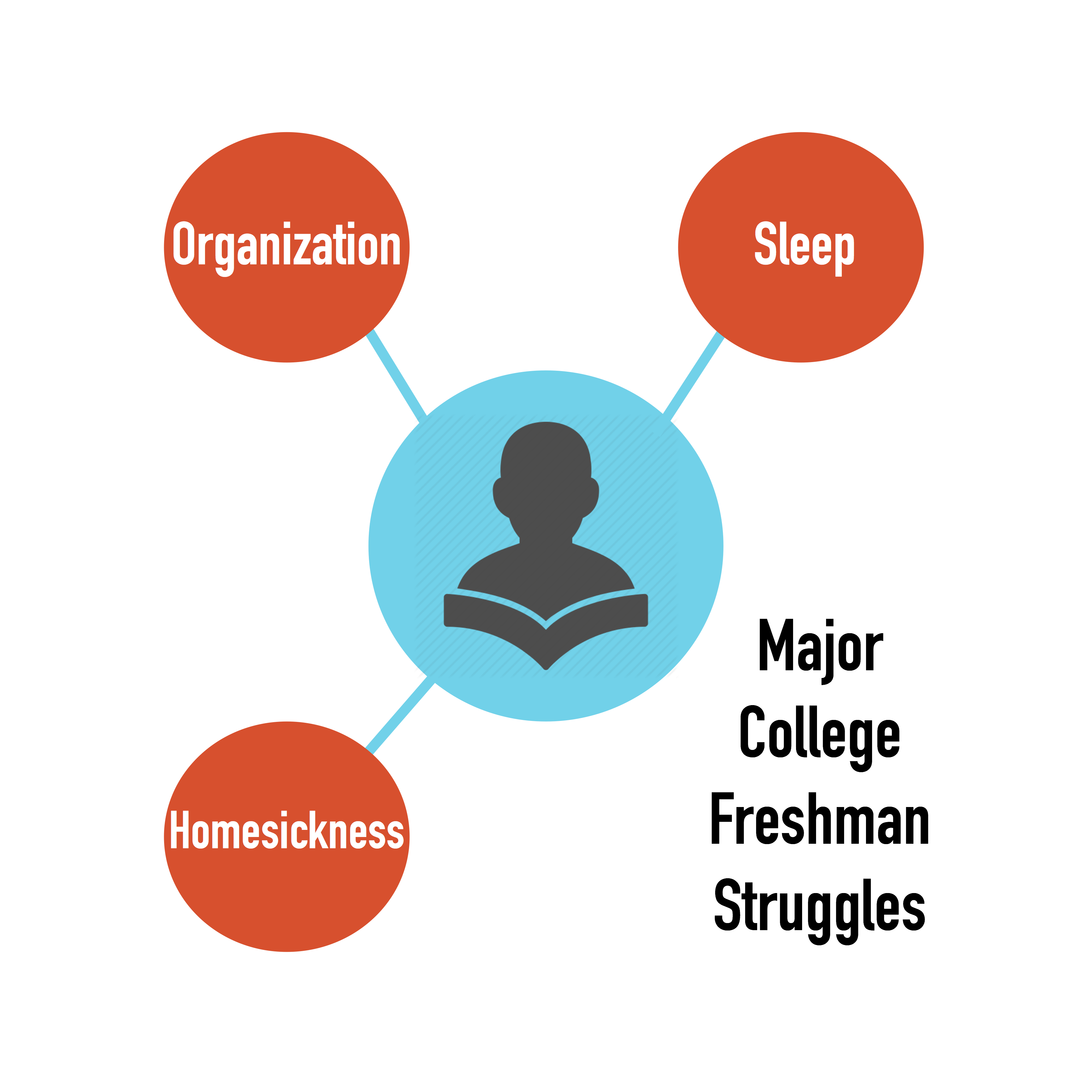 1. Homesickness
Some parents love the fact that their kid misses home, while also sympathizing with them. Keep in mind that homesickness is just as much about needs that are not being met at school as it is missing what they used to have. When you do get the coveted phone call from your freshman kid at school, listen to them closely and just maybe you will be able to see if their homesickness is a result of having challenging classes, finding it hard to connect with others, or if they simply want a care package mailed to them (always a winner).
2. Organization
College is typically more demanding than high-school in terms of work and very frequently much less structured in terms of homework/study time. This transition can be challenging for freshman and It is common to see a slip in grades because of this in addition to managing all their new freedoms. From frequently losing their cell phone or homework to their train of thought, organization can impact both physical and mental arenas. If your freshman kid shows signs of struggle with their organization skills, don’t panic. Together, look into a coaching program like www.YouTimeCoach.com and/or looking into the schools learning center services.
3. Sleep
When we are the ones lacking sleep, it is easy to notice the difference. Freshmen in college have this notion that they must perform at least 4 all-nighters the first semester, set a world record for cups of coffee or red bulls in a night, and put their ZZZ’s on the back burner. The reason behind this could be school work, a noisy environment, health issues, or higher priorities (pretty much everything). The college experience has so much to offer a freshman student, but this can create some priority confusion and FOMO (fear of missing out). A little trick, as your kid comes back for the holiday, take note of their sleep patterns. Typically the kids pulling late night study (or party) sessions will sleep in pretty late the first few nights home.
Keep these pieces of information handy for when your kid shows signs and symptoms of struggle. The best thing you can do for your kid is to be supportive, actively listen to them, empathize, and practice the skill of being non-judgmental. The pay off will be far greater than reacting through fear and anxiety.
Any questions regarding your kid, college, and their struggles?
Please email [email protected] or go to www.YouTimeCoach.com and click on the “Hire Us” page.

by YouTime Coaching | Oct 24, 2017 | Academics, Anxiety, Change, college, Communication, Confidence, Control, Focus, Growth, parenting, Uncategorized
We hear it all the time… helicopter parenting and that the millennial generation is being raised too protected from struggle, diversity, and overcoming “normal” life-stage challenges. Wherever you stand on this doesn’t necessarily matter because both sides need to learn from how they are experiencing struggle both directly and indirectly. Your college freshman will undoubtedly be faced with challenges, but it will not be everything your anxiety is telling you it will be.
There are some important takeaways and a crucial reminder.
JUST BECAUSE STRUGGLE AND YOUR CHILD’S NAME ARE IN THE SAME SENTENCE DOESN’T MEAN IT IS A CUE TO STEP IN. Understand that taking a supportive backseat versus getting into the driver seat can be quite valuable. Not only does it give your child a chance to build confidence in their abilities to navigate tough situations or seek out help but it allows parents invaluable time to build trust in their kid’s ability to handle struggle.

For parents that just sent their kids away for their first year of college here are some things you should know about what may be going on and the struggles that freshman most commonly face.
Read more of Youtime Coaching’s published article, “Know Your Kid’s Freshman College Struggles” in the Grafton News by clicking HERE.

by YouTime Coaching | Mar 2, 2017 | Academics, Advice, Beliefs, Benefit, college, Decisions, high school, Preparation, steps, Success
A gap year is a year that students take between high school and college, usually doing some sort of structured, non-academic activity.
Sounds nuts. Why would anyone do this?
The reasons are many, but here are a few of the more common ones:
- A student is academically burnt out and needs a break from academics to recharge
- A student doesn’t yet have the maturity to succeed in college (did you know that the male brain and executive functioning capacity doesn’t fully mature until the late 20’s?!)
- A student has a passion that they want to pursue prior to college
- A student’s not that into the idea of college, (or parents aren’t that into the idea of dropping $200K on a “meh, I guess I’ll go” response)
- A student wants to gain more experience to then be able to make the best of college
- A student feels like they need another go at the college admissions process
Thinking the gap year might be right for your student? Here are some pros and cons to consider.
GAP YEAR: Pros
- According to an Australian study published in August in the Journal of Educational Psychology, taking a gap year is linked to higher motivation in college.
- Taking a structured Gap Year invariably serves to develop the individual into a more focused student with a better sense of purpose and engagement in the world.
- According to American Gap Association statistics, taking a gap year helped focus student academic and career paths: 84% say it helped them acquire skills to be successful in future careers, and 73% say the experience increased their college readiness.
GAP YEAR: Cons
- Some students may view the gap year as a vacation. Without a clear plan, the gap year can pass by without doing much positive good for your student. If your student isn’t willing to put in the work to plan a productive gap year, then they shouldn’t take one.
- Financial concerns can impact a student’s gap year. Not every parent can support their children completely during the gap year. Your student may need to work, or they may be able to secure a scholarship or grant from a gap year program or college.
Common Concerns
Even after discussing the pros and cons of a gap year, I typically hear three major concerns from parents:
- “Next year, my student will be ‘too old’ for college.” College isn’t high school: a college classroom often includes both lower- and upperclassmen, sometimes with graduate students or non-traditional students mixed in. Age is rarely an issue, especially a single year.
- “How do I know my student will go back to school?” This is one of my favorite excuses, because the best counter-argument is simply to wait until they work a full-time job. After 40-hour work weeks, most teenagers will beg to go back to school! In fact, according to a study, 90% of students who took a gap year ended up going back to school within a year. If you’re still concerned that your student may “drop out”, it may be wise to gain admission to a college that will allow a deferral enrollment for the following year.
- “Why should my student wait if s/he is ready now?” Adapting to a new set of academic and social responsibilities is not easy for everyone; the first semester of college is often a difficult transition. It can be fun and fulfilling to tackle these responsibilities on your own schedule, without the added burden of a strict class schedule, the stress of dorm living, or tuition. Your student may be ready intellectually now, but a gap year will likely leave them extremely prepared, not just ready.
If your student is considering a gap year, I always stress a well-rounded and structured approach, with an emphasis on personal growth. For example:
Summer: Apply for summer employment and begin planning for your upcoming fall.
September–January: You may want to participate in academic, social, and career enrichment opportunities specifically designed for gap years; some great places to find these opportunities are:
February–June:
- Apply for a job with the skills you learned from the fall, intern at a potential future workplace, or take a course at your local community college.
- You can also travel, especially if you needed the fall to help you save up for your trip.
July–September: Continue any of the opportunities you’ve started over the past year. Don’t forget to take time to relax and connect with friends!
The above plan is designed to help your student begin college after a gap year with a set of advantages: a rested mind, additional education (potentially in both the academic and career arenas), increased confidence from spending time in “the real world,” and an extra year of overall maturity. Too often, we allow personal growth to happen while we’re busy with other things. But especially during key transition times, the self should be the priority. Imagine how much more a student with a clear sense of passion and purpose can get out of the college experience!
Remember: college is ultimately about your student becoming their own person. Deferring enrollment until after a gap year can be a very rewarding stage on this personal journey, but only if it’s the right fit for your student!

Jay Bacrania CEO & Co-Founder of Signet Education
This blog was written by Signet Education’s CEO & Co-Founder, Jay Bacrania with assistance from Signet tutor, Matt Grzecki. Jay has worked extensively with both special needs and high achieving students. He has taken a broad academic path that spans the sciences and humanities. Jay holds an BA in Comparative Study of Religion from Harvard University and attended Berklee College of Music for two years for Jazz Trumpet Performance. Beyond tutoring, Jay is interested in managing and refining Signet Education. You can almost always bet on finding him there at all hours, teaching or finding ways to make Signet even better!
Signet Education provides exceptional individualized tutoring, test prep, admissions consulting, and organizational coaching for students.

by YouTime Coaching | Aug 26, 2016 | Children, college, Communication, high school, parenting, parents
August. The countdown begins. In a few short weeks or even days you will be able to retire from your position as family event planner. Your child is probably frantically trying to savor every last second of summer vacation (and what better time to binge watch Netflix than 2 am??) and tackle the unaccomplished tasks on their bucket lists. However, this time is critical to help them set themselves up for a successful transition into the new school year. Whether they are starting at a new school or returning to their current one, here are a few tips to help them ease into September.
1. Set a Routine: Your child will need to reintroduce themselves to their alarm clock! This friendship takes a little time to rekindle! One to two weeks before the start of school, begin transitioning back to a more “normal” schedule and routine. Begin encouraging an earlier bedtime. Try backing bedtime up 15-30 minutes each night. This will help your child feel ready to wake at an earlier hour. Encourage some time for activities such as reading. This will help your child settle back into completing assignments and homework. Help your child reestablish these routines before the start of school. The less change they need to adapt to all at once, the smoother the transition will be.
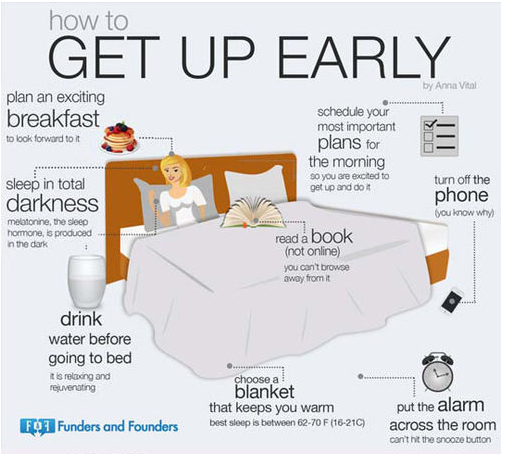
2. Encourage Activity: Summer activities come in a lot of different forms. Some children remain active all summer, while others use the time to relax. If your child’s physical activity level has flatlined a little over the summer, encourage them to become more active. Exercise can help reduce stress levels while also helping children sleep better. This will help tire them out, which in turn should naturally lead to an earlier bedtime.
![Large group of people stretching together. [url=http://www.istockphoto.com/search/lightbox/9786738][img]http://dl.dropbox.com/u/40117171/group.jpg[/img][/url] [url=http://www.istockphoto.com/search/lightbox/9786766][img]http://dl.dropbox.com/u/40117171/sport.jpg[/img][/url]](https://youtimecoach.com/wp-content/uploads/2016/08/friends-exercising.jpg)
3. Model Confidence: Children are masters at reading adults. If you are anxious or stressed about the upcoming school year, this will show. If you feel it would be helpful, have a dialogue with your child about how they’re feeling about this upcoming year. Maybe they feel better about the year than you think. If your child is at the stage where it is “not cool” to do this, let them know that you are there for them if they ever have a problem or need to talk. Also, encourage your child to form a connection with a trusted adult at school. This will help you feel more assured that if a problem does arise, your child is getting the help they need.

Abraham Lincoln said, “Give me six hours to chop down a tree and I will spend the first four sharpening the ax.” By more effectively using the end of the summer days and preparing for the transition ahead, your child will walk through the doors on that first day of school more mentally prepared to take on the school year!