
by YouTime Coaching | Jan 25, 2017 | Appreciation, Arguments, Attitudes, Behavior, Behavioral Change, behavioral issues, Brain, Change, Children, Communication, Control, Emotions, Growth, high school, Listening, parenting, parents, Problems, Reaction, Teenagers
Nobody said that raising a teenager would be easy and some parents may even think they should be rewarded a medal once they survive it. Statements that are made about adolescence and teenage years such as, “Surviving it“, “Getting through it”, are the real area of concern.
Although these times can be filled with risk-taking behaviors, a surge of independence, what seams to be minimal communication, and an abundance of “pushing back”, they must remain open to “the work” of the adolescent years.
WHAT’S “THE WORK” OF ADOLESCENCE?
Emerging science is proving at great lengths that some of the ways we used to think about adolescence may be quite off. On a weekly basis YouTime Coaching receives emails and phone calls that very honestly communicate the frustrations of being a parent to an adolescent.
Here’s what the conversation topics look like…
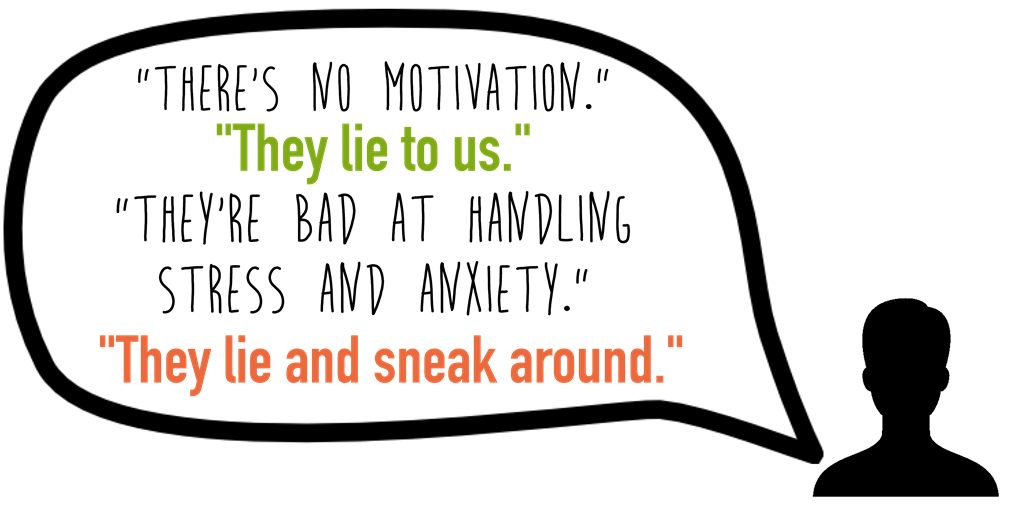
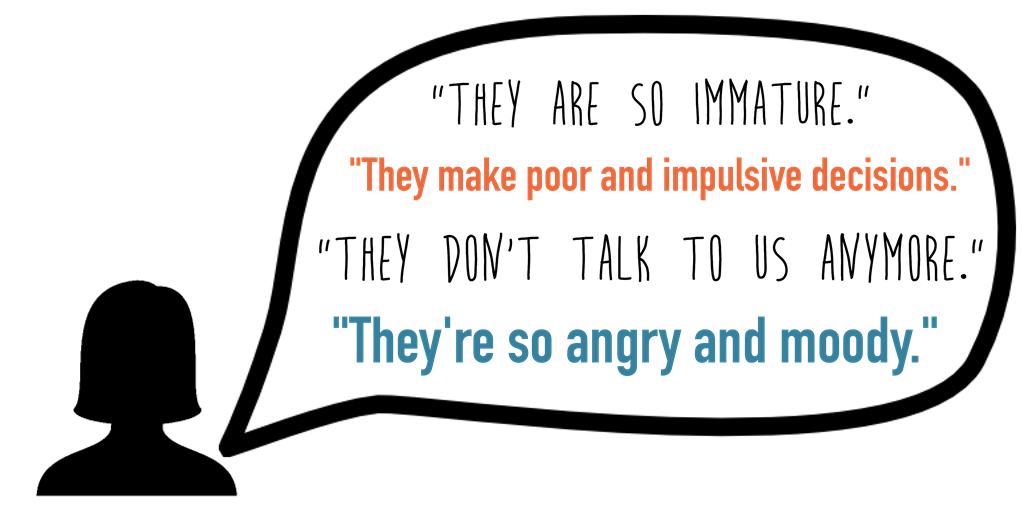
Here are a few things you need to know about the what the science is telling us.
“THEY JUST NEED TO GROW UP” MENTALITY WILL NOT HELP.
This line of thinking has existed for years and rightfully so, adolescence is a time of immaturity. The problem that lies within this way of thinking is that it frames adolescence as a period of time in which you must survive, simply try and get through, endure, and come out with minimal long-term scars.
Here’s a helpful change of perspective… Adolescence is not simply about maturity vs immaturity. During adolescence the brain goes through a rapid growth period and because of these changes new behaviors and abilities present themselves. All of those common “frustrations” (above) that we hear from parents aren’t just things that you need to endure but are newly developed abilities that will end up laying the groundwork for core personality traits your child will develop for use in adulthood.
Pushing boundaries, exploring decision making, getting a taste for independence, and being emotional may drive you crazy and caused tons of stress, but are all integral building blocks that each adolescent must go through. Use this time to cultivate positive experiences and lessons from those frustrations. Most importantly, be an active part of “the work” that goes into these crucial developmental period in your child’s life.
KNOW THE UPSIDES AND DOWNSIDES TO ADOLESCENCE.
Parent’s tend to have a keen eye for a child’s impulsive decision making, risky-behaviors, pushing boundaries with sources of authority, and their kids not wanting to spend time with them. What all of these behaviors have in common… they have an upside and a downside.
Novelty seeking and reward driven behaviors can motivate a child to explore new ways of doing things, allow them to keep an open mind to additional perspectives, and be open to change. The downside could lead to risky behaviors without a major thought or concern for the outcome, which leaves a child vulnerable.
Adolescence spending a lot of time with friend (and therefor little time with their parents) could help them develop strong social connections and support networks which are heavily correlated with happiness and mental wellness. The downside is that not being around adults and only being around peers increases their chances of risky behavior and minimizes the opportunity for guidance and knowledge from an adult figure, in turn increasing risky behaviors.
You see, each new ability and behavior that is formed during adolescence can have a profound impact on their develop towards adulthood. Stay engaged, but be aware of these new found abilities that your child may possess.
The inspiration for this blog came from an article written by Dr. Daniel Siegel. Dr. Siegel is a world renowned scientist and expert in the field of mindfulness. He has a wonderful ability to take complicated scientific findings and communicate them in a way that makes them practical and exciting. Please read his article “The Amazing, Tumultuous, Wild, Wonderful, Teenage Brain.” on mindful.org.
P.S.
If you are a parent or a young person who has had some challenges and would like to share your story, let us know in the comment section below! If you have any questions, and we mean any, you can send them right over to [email protected] or visit our page at www.YouTimeCoach.com.
by YouTime Coaching | Dec 7, 2016 | Academics, Attitudes, Behavioral Change, Change, Children, Communication, Direction, Life Coaching, Mental Health, parenting, parents, Problems, Self-Change, Self-Esteem, social problems, Stigma, Teenagers, Therapy, Trust |
Even a healthy and well-adjusted young person will have their fair share mood swings, moments of pushing back, impulsive decisions, and overall lapses in judgement. This is why parenting a young person consistently takes the top spot in The New York Times’ list of “Top 10 Easiest Professions”… yeaaaa right.
Whether the young person is in high-school or college it can sometimes be quite challenging to distinguish between “normal” and “could use some help”. So let’s clear a couple things up first regarding “help”.
Stigma.
Yes, unfortunately “getting help” still carries a substantially heavy stigma with it. For instance, it is very easy to assume that when you seek out professional help that something is broken and needs to be fixed. The young person is not broken, and neither are you. Here are a few other stigmas that may keep you and the young person from benefiting from additional support.
Misconceptions about getting help for a high-school/college age young person:
- If I get help, I am weak.
- This means I am crazy.
- (Typically parents) This is a waste of money.
- All you do is talk about my feelings.
- I will get medicated.
- Other people will think it’s (I’m) weird.
Stigmas have the power to not only prevent a young person from getting more specialized support but in many cases can create pretty harmful negative beliefs about who they are, how they are doing, and what their options are to start feeling better.
From the very beginning of the process, YouTime Coaching implements many strategies to combat some of these misconceptions. Here are a couple:
Trust Trust Trust:
With young people, trust is huge. That is why YouTime Coaching focuses right away on building a safe, secure, and trusting relationship between the young person and their coach. We believe that the young person’s relationship with their coach within the first month will determine much of their success in their work together. The coaches use strategic communication styles, in-between session check-ins, and work hard to create an relaxed judgment free zone.
Breaking the “Parent-Young person” Dynamic:
Sometimes simply being a parent makes it challenging to talk about the “tough things” with your young person. They see you through the “parent filter”, while you see them through the “young person filter”. YouTime’s Coaches are young, genuinely compassionate, and have the natural ability to connect with young people where it may otherwise be challenging for a parent to break through.
Take a look at www.YouTimeCoach.com to learn more about the process of coaching with young person, parents, and families.
When to get specialized help for your young person?
With the exception of when the young person asks for it, knowing when to seek out help can be challenging. Having some insight to what your young person’s baseline behaviors are can be helpful in assessing their/your need for some extra support. Here are a few things to keep on your radar but keep in mind that simply because you may see a change in these areas does not not necessarily mean your young person is struggling. It just means, keep communicating with them and finding ways to meaningfully connect, all while keeping your finger on the pulse to see if more evidence points to a “would it help it get some support?” talk.
- Their social life.
Questions to think about:
Has their friend group noticeably changed?
Are they spending a lot more time on their own?
Are they now jumping pretty hard into the party scene?
Is the young person having noticeable challenges in balancing their social life with other areas?
- Communication.
Questions to think about:
Has the young person’s communication patterns (language used, frequency, depth) drastically changed?
Is the young person “asking for help” but not necessarily coming right out and saying it?
Do you notice a rapid shift in mood when communicating with the young person?
Are you lost on how to communicate with the young person?
Have others communicated their concerns with you? (friends, teachers, bosses, siblings..etc)
- Academics.
Questions to think about:
Is there a noticeable drop in grade?
Are you seeing frequent absences or tardiness at school/work?
Have you received concerned communication from teachers?
Is your young person having trouble concentrating/focusing?
*if any young person you’re with has shown open, serious, and/or committed signs of harming themselves or others, please do not hesitate, call 911 and get professional help right away.
Remember, these questions are good starting points to give you a better understanding of what conversations to have with the young person, a professional, or somebody already in their support circle.
At the end of the day, if you still feel like something may be “off” with your kid and need to further figure out a plan of action, reach out to YouTime Coaching at [email protected].
by YouTime Coaching | Aug 13, 2013 | Beliefs, Change, Insight, Insight Fallacy, Motivation, Problems, Stages of Change, steps, Understanding
Have you ever explained something to a friend or family member and their response is, “I know, I know, I know”? They seem to fully grasp the idea, concept, or reason for something that is happening around them all too well.
Have you ever seen that same friend or family member that “understood” what and why something was happening, never change anything about it? Well, there’s a name for that.
In the field of Psychology it is referred to as the “Insight Fallacy”.
Insight Fallacy: The belief that understanding a problem will solve the problem.
When gaining insight into a problem it may help us by,
- Providing comfort, security, and safety in understanding what is wrong.
- Assisting in the development of new problem-solving strategies.
- Giving meaningful new understanding which will create harmony between our thoughts, emotions, and actions.
However nice this may sound, insight alone will not change the problem. In order to take effective steps in changing the problem, you must first identify a few things by answering these questions.
- Is there a problem at all? If so, what is it?
- Have a tried changing this problem in the past 6 months?
- Do I plan on doing something about this within the next 30 days?
If you have not identified a problem, you are most likely not going to do anything about it, besides saying “I know, I know, I know”. If you said “YES” to there being a problem, you must start thinking about how you are going to try and change it. Take a look at the “Stages of Change” and get a feel for where you may be.
For each stage there are different tasks to complete, so make sure you are honest in which one you may be in. Being in the wrong stage at the wrong time will lead to frustration, relapse, and a decline in confidence.
Take it one stage at a time, be patient with yourself, and know that there will be bumps in the journey.
You got this.