by YouTime Coaching | Jun 25, 2019 | Advice, Anxiety, Arguments, Behavior, Emotions, Expectations, Failure, parenting, parents, Uncategorized
The gymnastics of raising a child is one of the most memorable and rewarding experiences even when the role of being a parent challenges us to the core. Reactive Parenting is a direct response to those challenges.
Parenting is unique as it tests your boundaries on a daily basis and those tests frequently evolve. As a kid develops from infancy through adolescence and early adulthood, they will provide a parent with plenty of opportunities to carve out their own style of handling all that is thrown at them.
The way that a parent communicates and interacts with their child can affect their overall functioning and development in a multitude of ways. While there are pros and cons to various existing parenting techniques, one of the most detrimental is reactive parenting. Keep in mind that parents exhibit a variety of parenting styles and this is not an “all or nothing” discussion. We are talking about when reactive parenting dominates the household, drives most of the interactions, and is (for whatever reason) the most frequent “go to” response.
Reactive parenting is where a parent, acts on
their emotions when responding to a child’s
behavior.
This often times results in interactions fueled by anger, aggression, irritation, and hostility. Some examples of reactive parenting include using the phrases, “Stop” or “Right. We will not be going to/doing that” or constantly using commanding language like “Do/don’t do that”. These types of interactions will find their way into day to day life with a child and in some cases are necessary.
As someone who was born in 1985, I am very aware of the “snowflake” argument. Some parents attempt to raise their kids without reprimanding them, avoiding the use of words such as “no” or “bad (girl/boy)”. While the solution in many minds is likely quite simple, the problems are typically a little more complex. Parents verbalizing criticisms will not disappear any time soon and this is not inherently the problem. Projecting you’re own anger, impatience, and frustrations onto a child is an issues that falls in-line with reactive parenting and will usually come with direct side effects. So, what are some of the reasons for why a parent might be more reactive instead of proactive in their approach to parenting?
Three reasons for being prone to reactive parenting:
- Feeling overwhelmed
One of the most frequent things you hear from new parents is that there is a severe lack of sleep. Now that the kids are a little more grown up it doesn’t mean that things like work, relationships, money, or other sources of stress won’t interrupt your sleep cycle. Lack of sleep is a huge contributor to stress and anxiety.
Just think of visiting a friend who just got a puppy. It small, fuzzy, cuddly, cute and screams, “take me home” with their eyes. Suddenly, it pees on the ground. Do you, A) Point your finger at it and yell “bad dog” and stick their nose in it, B) Hit and yell at the puppy, C) Not get angry, because after all it’s not your house, not your puppy, and not your problem. So you just let the owner know what happened (please choose “C”). You are able to do this because you are able to separate yourself from the emotions around the puppy having an accident. You create space for objectivity. Also, keep in mind that the catalyst for being stressed/overwhelmed could be something unrelated to your kid (but your kid won’t know this).
2. H.A.L.T.: Feeling Hunger, Anger, Loneliness, and/or Tiredness
The H.A.L.T. strategy can help identify times where you need to take a step back, create some space, satisfy an underlying need, and re-approach more strategically. When you first wake up, come home from work, had a late night, had an argument (you get it), simply ask yourself if you are hungry, angry, lonely, or tired. If so, find a way to meet that need before moving forward with any other major decisions, conversations, or interactions.
3. Negatively reinforced learned behavior from other parental figures
This is just one of the reasons why reactive parenting is so detrimental to child behavior. The parent-child relationship is the first major relationship to develop in a child’s life and shapes the child’s perspective of what healthy relationships should look like. You are a parent, but at one point was a child with parents that had particular parenting styles. Sometimes particular behaviors are replicated when that was what you were raised like, while others are sometimes overcompensated to “prevent” feelings that you had growing up. These forces that impact our behaviors or sometimes invisible to us, so take a second to think about how your biography is shaping your child’s prologue.
Reactive parenting could lead children into thinking that negative and even abusive relationships are normal when they really are not. Children learn a substantial amount of how the world works and how they should behave in the world from their parents. Therefore, parents who use reactive parenting are teaching their children that reacting with anger and frustration towards their children is the correct way to parent.
Curious about your parenting style? Try Psych Central’s Parenting Style Quiz HERE.

by YouTime Coaching | May 9, 2019 | Academics, Advice, alcohol, Anxiety, Arguments, Behavior, Certainty, Children, Communication, Confidence, Depression, Expectations, Fear, happiness, Motivation, parenting, parents, Relationships, Sadness, Self-Esteem, Teenagers, Uncategorized, Uncertainty
As hard as it is to admit, when I was in high-school, I bullied kids. Let me explain…
I didn’t take their lunches (I was a 6ft lanky fella who could have easily been beat up), get in physical fights, give out wedgies and hang them up by their underwear, or shove people into lockers. I was into sports, had popular friends, usually had a popular girlfriend, was invited to junior and senior parties as a freshman and sophomore, and dressed nice.
On the inside, none of that shit really mattered. I was incredibly anxious, insecure (pro at hiding it), constantly questioned where I stood in the eyes of others and typically felt inadequate because of self-comparison.
My bullying method of choice in high-school was mental warfare. I would insult other people about how they looked, moved, ate, spoke, and just about anything else they was available for others to see. In my insecure teenage mind, if I put someone down 10 social/confidence points then I would go up 10 points and so on. Making fun of others to feel better about myself was the currency and I was rich in that respect, but oh was I super fucking poor in more important areas.
You see, I had convinced myself that this was the fast way to feeling confident, happy, accepted, and comfortable. Unfortunately, this method breeds the opposite feelings and sets you on a really challenging trajectory.
A kid’s search for acceptance is very messy.
As a parent, you may not agree with the decisions your kid is making and that is completely fine. Coming from a place of, “I can understand why you would do this but it doesn’t make it excusable”, is a healthy mindset.
As a Freshman on Varsity soccer and baseball, I was hanging out with the “super cool” Juniors and Seniors. I started smoking weed, drinking, and finding ways to “fit in” with others because I wasn’t sure at all about myself. I managed to get “good enough” grades so people would stay off my back and expect just a little less out of me compared to others. I got into trouble at home and in school, with the exception being sports. Sports was special because I was able to channel many of the tough emotions (anger/sadness) into physical output. It was the closet thing I knew to a direct correlation between how much personal effort I put in and how much positive feedback I got out of it. It kept me more in line than anything else at the time.
One thing I know for sure is that if you put all your eggs in one basket for support, as a crutch, and tie it to your identify then you run the risk of a crisis down the line. That’s what happened next.
After high-school graduation, I moved up to New England to play baseball for the University of Rhode Island (notice how I didn’t say “to be a student” or “to major in…”). On September 17th, which just so happened to be my birthday as well as two weeks after I moved-in and less than a week before training started, I broke my left pitching elbow. Getting my legs taken out from under me playing (sober) soccer on a basketball court did me in. It was the ending of baseball career before if started and the beginning of a crisis.
I have to be a student now?
That’s not what I signed up for but it was my new reality. It caused significant anxiety, panic attacks, a desire to isolate myself. Since I’m left handed and broke that elbow, I couldn’t write and so I stopped going to a lot of classes or just never took notes which led to my gpa being an impressive 2.4.
Things got a little worse before they got massively better and I credit where I’m at today with reaching out for outside support.
In the final two years of undergrad, my gpa was almost a 4.0. The first year out I worked psych research with detained adolescence, got accepted and went to Boston University’s Sport Psychology and Counseling Master’s program (on a 75% scholarship and finishing with a 3.9 gpa), and have been running a Youth, Family, and Adult Life Coaching company for 10+ years.
We live in a world where it’s all too common for kids to be shamed for their weirdness and uniqueness. It teaches them to turn AWAY from their uniqueness and TOWARD… acceptance.
With kids, this basically means trying to “fit in”, conform, and act within the group norms. Conformity has its appropriate place and time as does groups norms, but having kids turn AWAY from their weirdness and uniqueness because of shame, uncertainty of what their social status will be, or whether they think others (including parents) will accept them will in no doubt backfire for them in the future.
Every week, I see the impact this has on young people. I hear them share perspectives and stories on how they feel as though they are “putting on a show”, “don’t know who they are”, “will lose friends in a second if they don’t…[insert superficial factor]”, how they “don’t feel good enough”, and how they “feel that they can’t act like themselves around their parents and most of their friends”.
I see a little bit of me in each of them.
It’s sad, but it’s real and the solution starts at home. Parenting is tough, being a kid is tough, and it’s not about placing your kid in a bubble. No bulldozer, helicopter, or tiger parenting here. We need to get back to a place where we put down our screens, have them put theirs down too, listen and communicate with empathy and honesty, find out what kinds of weirdness/uniqueness they have, help them explore it, and teach them ways to persevere.
Parents need to have boundaries (which are seen as a source of love from kids), talk about the tough topics, incentivize healthy behavior but also (appropriately) discipline poor choices. Yes, this can be done compassionately and keeping in tact the message that you love and support them.
This can happen anywhere, but it starts in the home.

by YouTime Coaching | Jan 25, 2017 | Appreciation, Arguments, Attitudes, Behavior, Behavioral Change, behavioral issues, Brain, Change, Children, Communication, Control, Emotions, Growth, high school, Listening, parenting, parents, Problems, Reaction, Teenagers
Nobody said that raising a teenager would be easy and some parents may even think they should be rewarded a medal once they survive it. Statements that are made about adolescence and teenage years such as, “Surviving it“, “Getting through it”, are the real area of concern.
Although these times can be filled with risk-taking behaviors, a surge of independence, what seams to be minimal communication, and an abundance of “pushing back”, they must remain open to “the work” of the adolescent years.
WHAT’S “THE WORK” OF ADOLESCENCE?
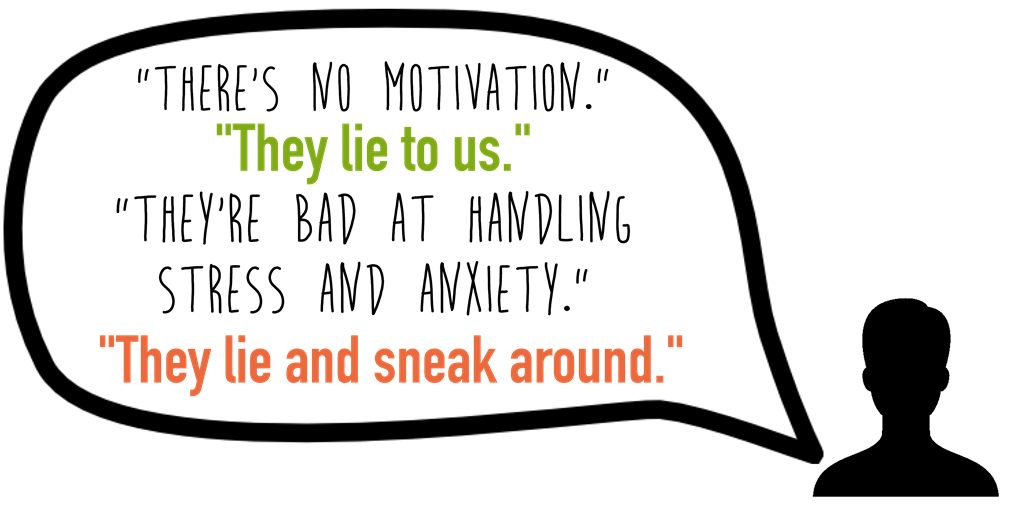
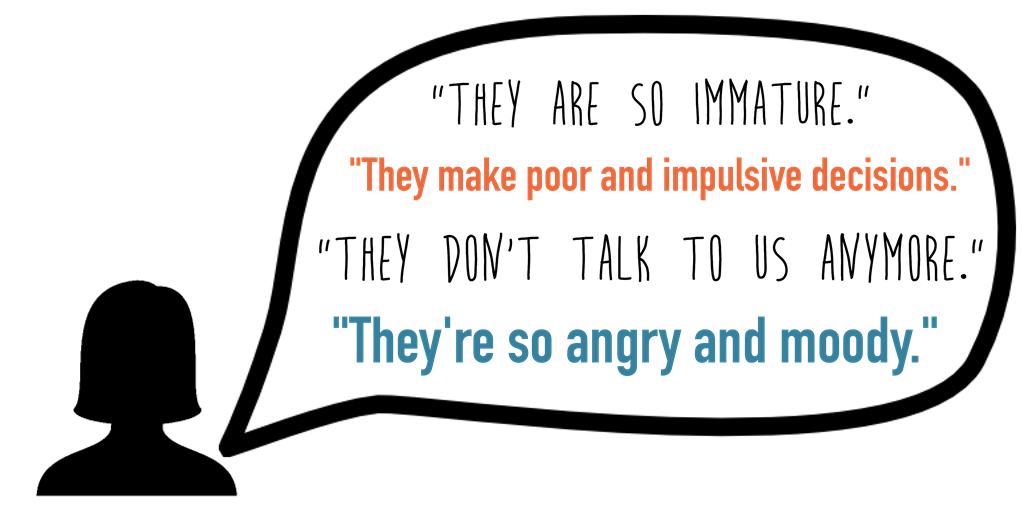
Emerging science is proving at great lengths that some of the ways we used to think about adolescence may be quite off. On a weekly basis YouTime Coaching receives emails and phone calls that very honestly communicate the frustrations of being a parent to an adolescent.
Here’s what the conversation topics look like…
Here are a few things you need to know about the what the science is telling us.
“THEY JUST NEED TO GROW UP” MENTALITY WILL NOT HELP.
This line of thinking has existed for years and rightfully so, adolescence is a time of immaturity. The problem that lies within this way of thinking is that it frames adolescence as a period of time in which you must survive, simply try and get through, endure, and come out with minimal long-term scars.
Here’s a helpful change of perspective… Adolescence is not simply about maturity vs immaturity. During adolescence the brain goes through a rapid growth period and because of these changes new behaviors and abilities present themselves. All of those common “frustrations” (above) that we hear from parents aren’t just things that you need to endure but are newly developed abilities that will end up laying the groundwork for core personality traits your child will develop for use in adulthood.
Pushing boundaries, exploring decision making, getting a taste for independence, and being emotional may drive you crazy and caused tons of stress, but are all integral building blocks that each adolescent must go through. Use this time to cultivate positive experiences and lessons from those frustrations. Most importantly, be an active part of “the work” that goes into these crucial developmental period in your child’s life.
KNOW THE UPSIDES AND DOWNSIDES TO ADOLESCENCE.
Parent’s tend to have a keen eye for a child’s impulsive decision making, risky-behaviors, pushing boundaries with sources of authority, and their kids not wanting to spend time with them. What all of these behaviors have in common… they have an upside and a downside.
Novelty seeking and reward driven behaviors can motivate a child to explore new ways of doing things, allow them to keep an open mind to additional perspectives, and be open to change. The downside could lead to risky behaviors without a major thought or concern for the outcome, which leaves a child vulnerable.
Adolescence spending a lot of time with friend (and therefor little time with their parents) could help them develop strong social connections and support networks which are heavily correlated with happiness and mental wellness. The downside is that not being around adults and only being around peers increases their chances of risky behavior and minimizes the opportunity for guidance and knowledge from an adult figure, in turn increasing risky behaviors.
You see, each new ability and behavior that is formed during adolescence can have a profound impact on their develop towards adulthood. Stay engaged, but be aware of these new found abilities that your child may possess.
The inspiration for this blog came from an article written by Dr. Daniel Siegel. Dr. Siegel is a world renowned scientist and expert in the field of mindfulness. He has a wonderful ability to take complicated scientific findings and communicate them in a way that makes them practical and exciting. Please read his article “The Amazing, Tumultuous, Wild, Wonderful, Teenage Brain.” on mindful.org.
P.S.
If you are a parent or a young person who has had some challenges and would like to share your story, let us know in the comment section below! If you have any questions, and we mean any, you can send them right over to [email protected] or visit our page at www.YouTimeCoach.com.
by YouTime Coaching | Nov 9, 2016 | Arguments, Children, parenting, parents
CONFLICT.
Yeah, it could be a synonym for “parenthood” or the newest board game for parents and their children to practice communication and relationship building (look out for it on the shelves this coming holiday season in your nearest Target). Let’s face it, conflict in and out of the home can feel like an every day occurrence. Regardless of your child’s developmental stage (school-age, adolescence, early adulthood…etc) or challenges with ADHD, executive functioning, or processing speed, parent’s are forced to navigate conflicts with their children, inner-conflicts with themselves, and potentially with any other caregivers in the picture.
While no two conflicts are identical (though the argument could feel redundant… “Why didn’t you start your homework yet?… I didn’t raise you like that!… If you don’t clean your room, you can’t go over your friends house.), you knowing your different “conflict modes” can give you access to a higher understanding of parenting and effective communication with your children during chaotic times.
What is a “conflict mode”?
DOWNLOAD: 10 Parenting Strategies For Raising Children…. That Actually Work!
Short and sweet, your conflict mode is a deeper understanding of how you typically behave during conflict.
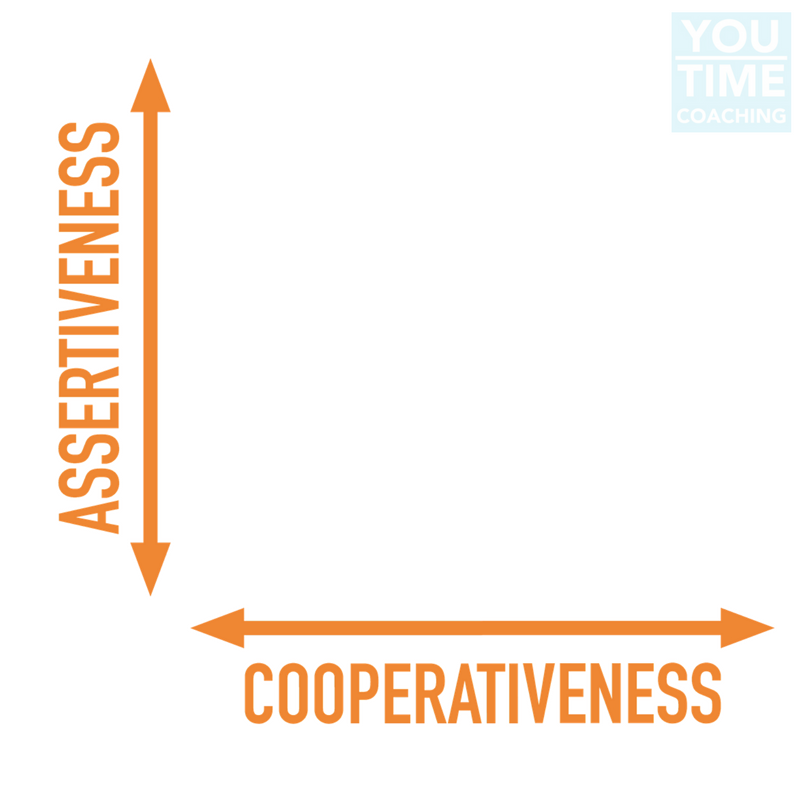
First, there are two dimensions.
1. Assertiveness: how much effort (or lack of effort) you put into satisfying your own concerns.
2. Cooperativeness: how much effort (or lack of effort) you put into satisfying the other person’s concerns.
Think of it like this.
Second, there are 5 “modes” for how we respond to conflict.
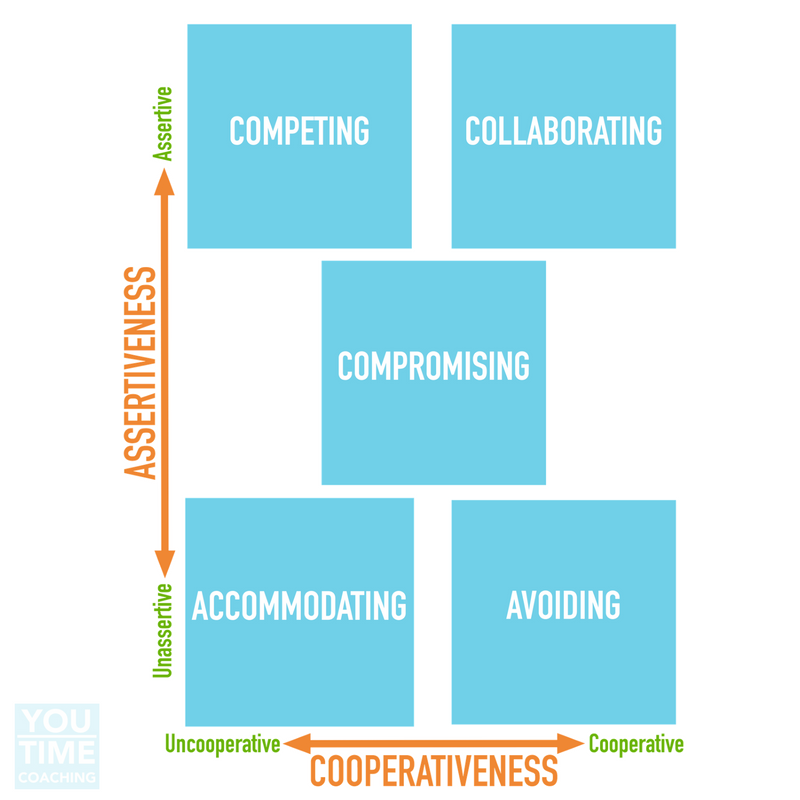
To learn more about each of these “modes” take a look at this: An Overview of Conflict Modes. Taking a quick gander you can probably start to piece together the more obvious “modes” you go into during a conflict with your child. This isn’t a “one way or another” type of situation, because typically parents will exhibit some degree of each of these across the conflicts you face with yourself and others.
There are many specific behaviors that could enact each individual factor but your “conflict mode” is built off of the aim of the behavior rather than the specific behavior itself. Same goes for your child.
For example, your child may not want to talk about the poor grade they received on their English paper and in order to achieve this avoidance they could walk out of the room, shut down and not speak, or even change topics altogether. Three different behaviors, all aimed to avoid.
Let’s put the entire picture together.
Your “conflict mode” is a product of your personal disposition and the requirements of the situation you have found yourself in. Different conflicts with your children, loved ones, your friends, and even yourself can highlight different tendencies you may gravitate to within these modes.
BENEFITS TO UNDERSTANDING YOUR “CONFLICT MODE”:
• Learn how to use your strengths to set boundaries and KEEP THEM!
• Work with your child in creating innovative solutions to common problems.
• Further develop your ability to manage your efforts, while still helping you and your child.
• Reduce your stress load during conflicts.
• Genuinely support your child during conflicts.
Taking a look at the diagram above will give you a self-diagnosed idea of what modes you gravitate towards.

Contact YouTime Coaching now to find out your individualized “conflict mode” and learn more about how to put the newly acquired information into action at home with yourself and your children.
by YouTime Coaching | Jan 16, 2013 | Action, Anxiety, Arguments, Attitudes, Certainty, Confidence, Direction, Fear, Fighting, steps, Success
Chapter 2: The Fight
Recap from Chapter 1: “Intro to Fighting” & “The Approach”
1. Arguing only has the POTENTIAL to cause negative outcomes
2. The Approach is the most important aspect of the argument.
3. The Approach directly influences the outcome of the argument.
4. The mental and physiological state you are in prior to the argument will direct the fight.
5. If you are in a state that will undermine your desired outcome of the argument you need a “jarring”.
6. Try the “Opponent Appreciation” and “Movie Theater Effect” techniques to create a more resourceful state and get the result you desire.
Chapter 2: The Fight

Arguing can be an extremely toxic event for any relationship or create an important opportunity for growth. The difference between heading down these two opposing pathways is monumental to relationships. The difference in these two paths can be found in just a handful of decisions.
This blog is to help you navigate how to experience growth, increase closeness, heightened intimacy, and developing feelings of accomplishment through an argument.
 Challenge: Your Relationship to Fighting
Take a second to right down some words that you associate with arguing. These words may be negative, positive, seem unrelated, or from direct experience. You may see fighting as a defense mechanism, a way for you to connect with others, or possibly a tactic that makes you feel important and noticed.
The importance of this exercise is to discover what cognitive relationships you associate to arguments and fighting. Once you recognize if your connection is positive or negative you can begin to witness its effects on “The Approach” and now how to change these limiting beliefs for “The Fight”
Definition
Limiting Belief: (noun) Thoughts and Beliefs that are manifested consciously or subconsciously that serve as obstacles and barriers to a desired or healthy behavior/decision.
“The Fight” is the ACTION stage within this whole process and where most people use their own style to out-perform their opponent and reign victorious.
The problem is developed because these “styles” that people use in their arguments are developed from typically subconscious feelings and can easily be expressed irrationally, untimely, and at your partners expense.
Our goal here is to develop arguing skills that will allow us to experience healthy growth, connection, certainty, and significance.
“Top 5 Rules to Successful Arguing”
1.Stay on Task
One of the biggest mistakes individuals make in arguing is that they do not stay on task. Understand what you are arguing about and keep this in mind with each point you bring up. When you feel like you are drifting away from the main topic, take second to regroup and jump back in. The last thing you want to be doing is yelling about who left the lights on, when the actual argument is about calling to say you will be home late.
2. Use “I” Statements
 Let’s face it, humans typically get defensive very quickly and on a large scale. No female wants to feel like a piece of property, while no man wants to feel completely bossed around. When addressing personal preferences and perspectives start your statement with, “I feel as though vs. You always” in order to convey (on a conscious and subconscious level) that you understand this may not be the case BUT this is how it makes you feel.
3. Cool-off
Under no circumstance should anybody be yelling. If it has reached this point, neither of you are being heard, there will be no winner (your relationship will suffer), you are negatively affecting those around you, and the argument has reached the toxic zone. If you feel as though you are going to yell it is completely permissible to say “This is a very important conversation and do think it is necessary to talk about it, but I need to take a couple minutes to regroup”.
4. Be Quiet
 Upwards of 90% of communication is non-verbal and if you don’t silence that yapper for a portion of the argument, you will miss all the important cues. Allow the other person to speak freely without interruption (this may be challenging, but that is normal). Listen to their points and much more importantly, how it makes them feel.
 Isn’t it the most frustrating thing in the world when you begin fighting with somebody who “loves to argue”. Quickly identify if you are one of those people. Do you contest, argue, and disagree with a high percentage of things around you? If so, keep this close to mind when arguing, because you are at higher risk of not “staying on task”. If you are one of these people, you tend to see your way and throw up the blinders for any other perspectives. Be flexible, honest, and open during argument.
Stay tuned next week for Part III of,
“The Science of an Argument”
Chapters 3-4: “The Resolution” and “The Aftermath”
Best,
Jonathan B. Wolf, Ed.M.
YouTime Coaching
www.YouTimeCoach.com