
by YouTime Coaching | Aug 26, 2016 | Children, college, Communication, high school, parenting, parents
August. The countdown begins. In a few short weeks or even days you will be able to retire from your position as family event planner. Your child is probably frantically trying to savor every last second of summer vacation (and what better time to binge watch Netflix than 2 am??) and tackle the unaccomplished tasks on their bucket lists. However, this time is critical to help them set themselves up for a successful transition into the new school year. Whether they are starting at a new school or returning to their current one, here are a few tips to help them ease into September.
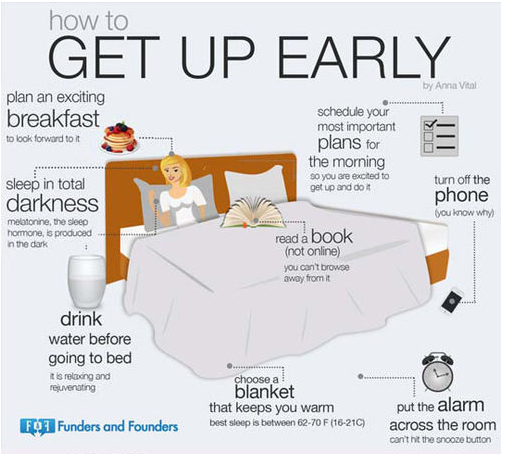
1. Set a Routine: Your child will need to reintroduce themselves to their alarm clock! This friendship takes a little time to rekindle! One to two weeks before the start of school, begin transitioning back to a more “normal” schedule and routine. Begin encouraging an earlier bedtime. Try backing bedtime up 15-30 minutes each night. This will help your child feel ready to wake at an earlier hour. Encourage some time for activities such as reading. This will help your child settle back into completing assignments and homework. Help your child reestablish these routines before the start of school. The less change they need to adapt to all at once, the smoother the transition will be.
2. Encourage Activity: Summer activities come in a lot of different forms. Some children remain active all summer, while others use the time to relax. If your child’s physical activity level has flatlined a little over the summer, encourage them to become more active. Exercise can help reduce stress levels while also helping children sleep better. This will help tire them out, which in turn should naturally lead to an earlier bedtime.
![Large group of people stretching together. [url=http://www.istockphoto.com/search/lightbox/9786738][img]http://dl.dropbox.com/u/40117171/group.jpg[/img][/url] [url=http://www.istockphoto.com/search/lightbox/9786766][img]http://dl.dropbox.com/u/40117171/sport.jpg[/img][/url]](https://youtimecoach.com/wp-content/uploads/2016/08/friends-exercising.jpg)
3. Model Confidence: Children are masters at reading adults. If you are anxious or stressed about the upcoming school year, this will show. If you feel it would be helpful, have a dialogue with your child about how they’re feeling about this upcoming year. Maybe they feel better about the year than you think. If your child is at the stage where it is “not cool” to do this, let them know that you are there for them if they ever have a problem or need to talk. Also, encourage your child to form a connection with a trusted adult at school. This will help you feel more assured that if a problem does arise, your child is getting the help they need.

Abraham Lincoln said, “Give me six hours to chop down a tree and I will spend the first four sharpening the ax.” By more effectively using the end of the summer days and preparing for the transition ahead, your child will walk through the doors on that first day of school more mentally prepared to take on the school year!


by YouTime Coaching | Mar 25, 2015 | boundaries, Communication, limits, parenting, parents, Positive, positive reinforcement, punishments, relaxation, rewards, Teenagers
Parenting a teenager can be a challenge and require a lot of skill and energy. However, there are a few tips that can help make it a lot easier.
Step 1: Be positive about your expectations.
Studies show that people often perform and act according to what is expected of them. If little is expected, little will be achieved. This is known as the Pygmalion effect, and it has been seen with the expectations a parent has of a child.
DOWNLOAD: Parenting Strategies For Raising Teenagers…. That Actually Work!
If you expect that your teenager is going to fail in school, for example, this increases the likelihood that they will fail. However, thinking the opposite can have a positive effect. It’s important not to have expectations that are too overwhelming (become the President) or too specific (my son is going to be a quarterback), because expectations become limiting, but rather to have positive expectations based on the teen’s interests, skills and personality.
Step 2: Use rewards, not punishments.
It has been shown that punishments have a varying effect on discouraging a negative behavior, but rewards are guaranteed to work to encourage positive behavior. Rewards don’t have to be material, as many times sincere praise will work very well to encourage the teen.
Usually, with teenagers, parents tend to focus on the negative behaviors, sometimes taking the good things for granted. This actually serves to perpetuate the negative behaviors more. However, shifting the focus and being generous with praise can help you achieve better results.
Step 3: Adjust limits
![]() Teenagers need different limits than children, and what is more, they need limits that are adjusted as they grow up. However, it often happens that parents don’t revise the limits until a serious fight happens or something else equally out of the ordinary occurs. To prevent this, it’s a good idea to revise limits consistently to maintain a balance between the teen’s freedom and responsibility.
Teenagers need different limits than children, and what is more, they need limits that are adjusted as they grow up. However, it often happens that parents don’t revise the limits until a serious fight happens or something else equally out of the ordinary occurs. To prevent this, it’s a good idea to revise limits consistently to maintain a balance between the teen’s freedom and responsibility. Step 4: Remain calm
![]() Teens are dramatic, as their emotional experiences are often extreme. They say they “hate” their parents, which is something no parent wants to hear. However, in the face of these emotions that the teen yet can’t control, it’s very important to remain calm and be there for them, as these outbursts usually don’t reflect actual hatred, but pain and anger that the teen doesn’t know how to handle yet.
Teens are dramatic, as their emotional experiences are often extreme. They say they “hate” their parents, which is something no parent wants to hear. However, in the face of these emotions that the teen yet can’t control, it’s very important to remain calm and be there for them, as these outbursts usually don’t reflect actual hatred, but pain and anger that the teen doesn’t know how to handle yet.
Step 5: Keep communications channels open
![]() While the teen needs more freedom, they still need guidance and help. It’s very important that they can feel as if they can receive it in their own home with their family. Teenagers need to be able to come to their parents with different problems and situations, so they shouldn’t feel like they would receive only blame or anger. Rather, they need to feel that they will be supported. For this, it’s important to reinforce these ideas through words and actions.
While the teen needs more freedom, they still need guidance and help. It’s very important that they can feel as if they can receive it in their own home with their family. Teenagers need to be able to come to their parents with different problems and situations, so they shouldn’t feel like they would receive only blame or anger. Rather, they need to feel that they will be supported. For this, it’s important to reinforce these ideas through words and actions.
Need help parenting your teenager?
Learn more about Parent Coaching through YouTime Coaching by clicking HERE.
Sources: